Across Saudi Arabia and the countries of the Arabian Peninsula, green has become the color of ambition. National programs promise billions of trees. Developers present shaded boulevards and generous parks as proof that a new urban chapter has begun. In cities long defined by sand, stone and heat, greenery now stands for progress.
The desire behind it is simple and deeply human. People want shade. They want softness in a hard climate. They want relief from streets that shimmer in 45-degree heat. In this region, green is not an aesthetic preference; it is comfort, health and dignity.
But here, green is never just green.
In temperate climates, planting a tree is often a modest act. You place it in the ground, water it for a while, and nature takes over. Rain falls. Roots expand. The ecosystem does most of the work. In Saudi Arabia, planting a tree is closer to signing a long-term contract. It needs engineered soil, irrigation systems, regular maintenance and a steady supply of water that rarely falls from the sky. Much of that water comes from desalination, an energy-intensive process still largely powered by fossil fuels. Every lawn and every ornamental tree carries an invisible carbon footprint.
This does not invalidate the greening effort. It simply means that greening in the desert is infrastructure, not decoration.
Saudi Arabia’s national urban greening drive, part of the broader Saudi Green Initiative, is one of the most ambitious examples anywhere in the world. The goal of planting billions of trees across the Kingdom has already translated into millions of new plantings, rehabilitation of degraded land and the expansion of urban parks. Cities have seen more landscaped areas, more public space and a growing awareness that livability in the Gulf will depend as much on climate adaptation as on architecture.
Project Joy, the Kingdom’s nationwide quality-of-life and urban improvement program, has reinforced this shift. Across Saudi cities, new parks, upgraded public spaces and recreational landscapes have changed the everyday image of urban life. Families have gained access to green destinations. Neighborhoods that once lacked shared outdoor space now have gathering points. In a region where urban growth often prioritized roads and cars, this is no small cultural shift.
Yet the emphasis has largely been on recreation — on parks you visit — rather than on shading the city as a whole. And Saudi Arabia is not alone in this. Qatar and the United Arab Emirates have been pursuing the same concept.
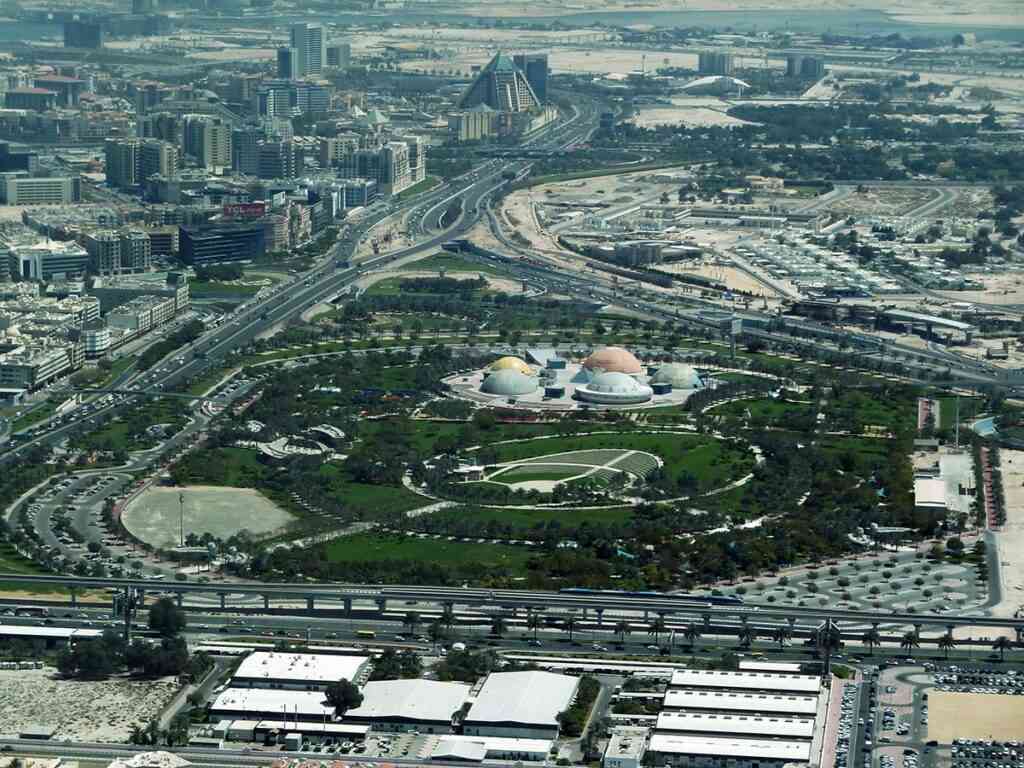
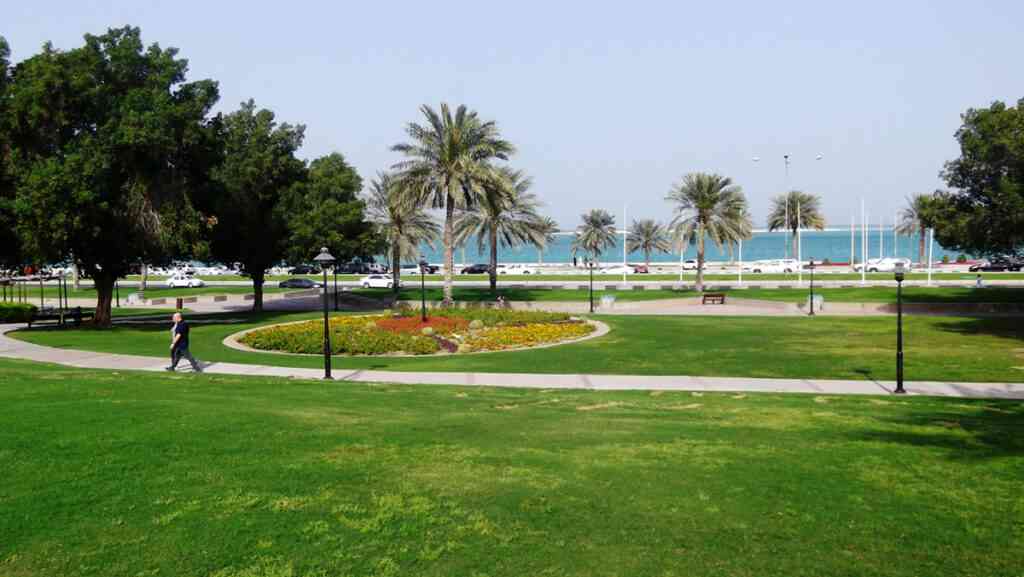
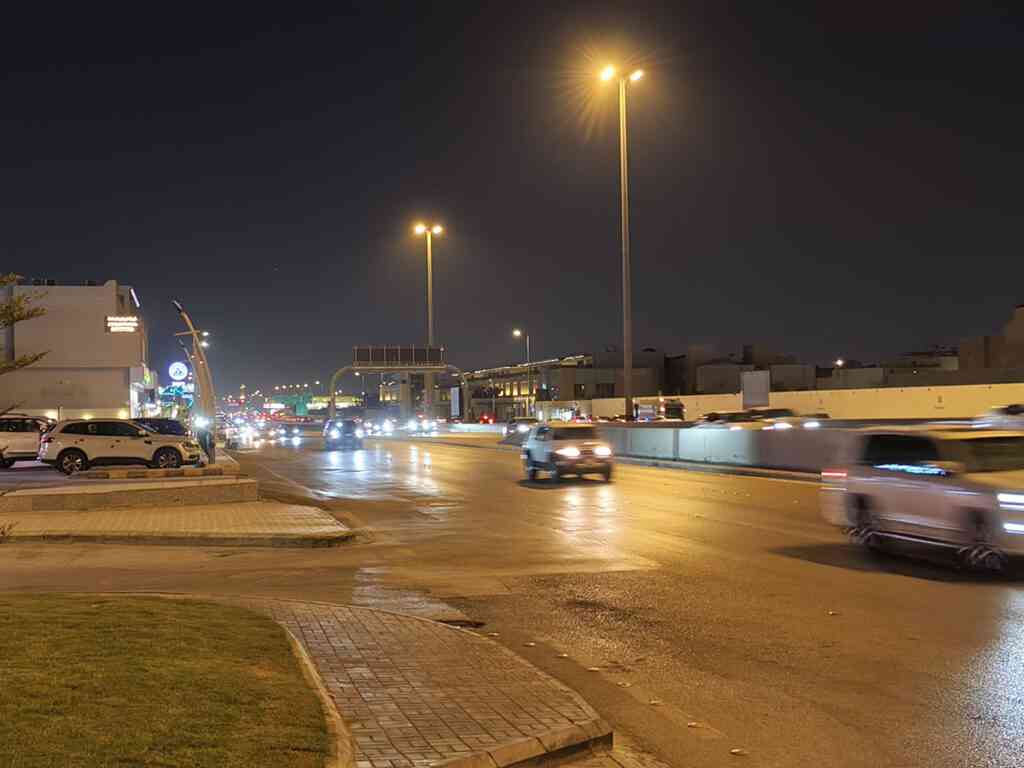
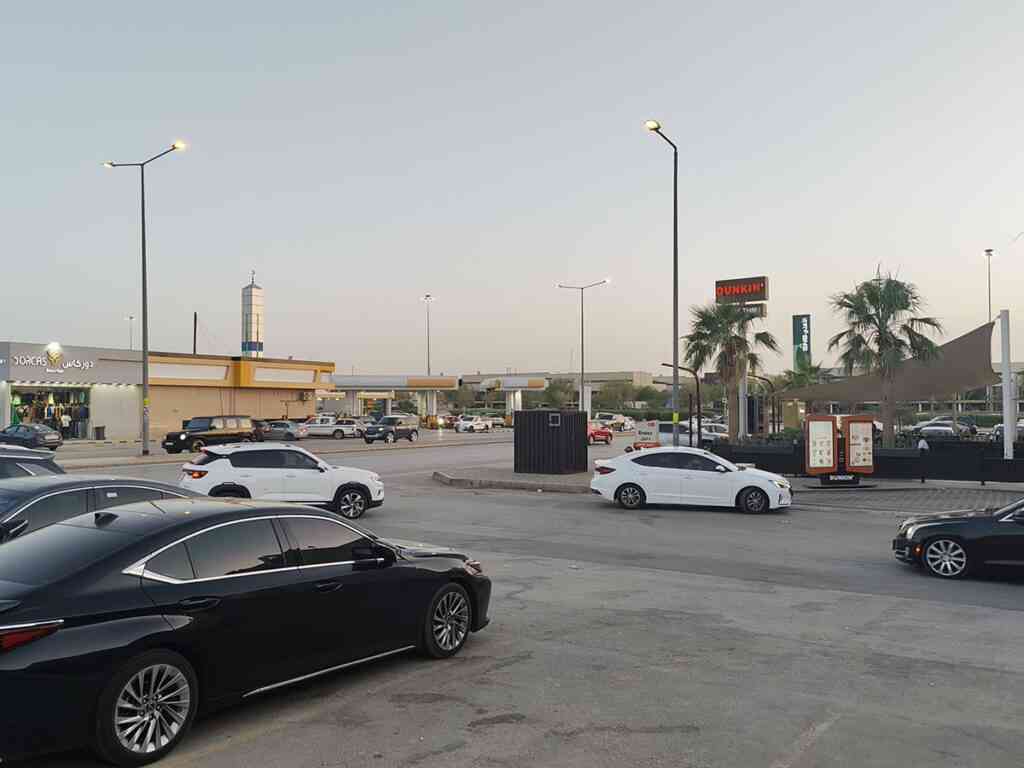
A city can build beautiful parks and still leave its streets exposed. It can create weekend destinations while daily commutes remain unforgiving. Cooling confined within park boundaries does little for the pedestrian walking under a cloudless sky at midday.
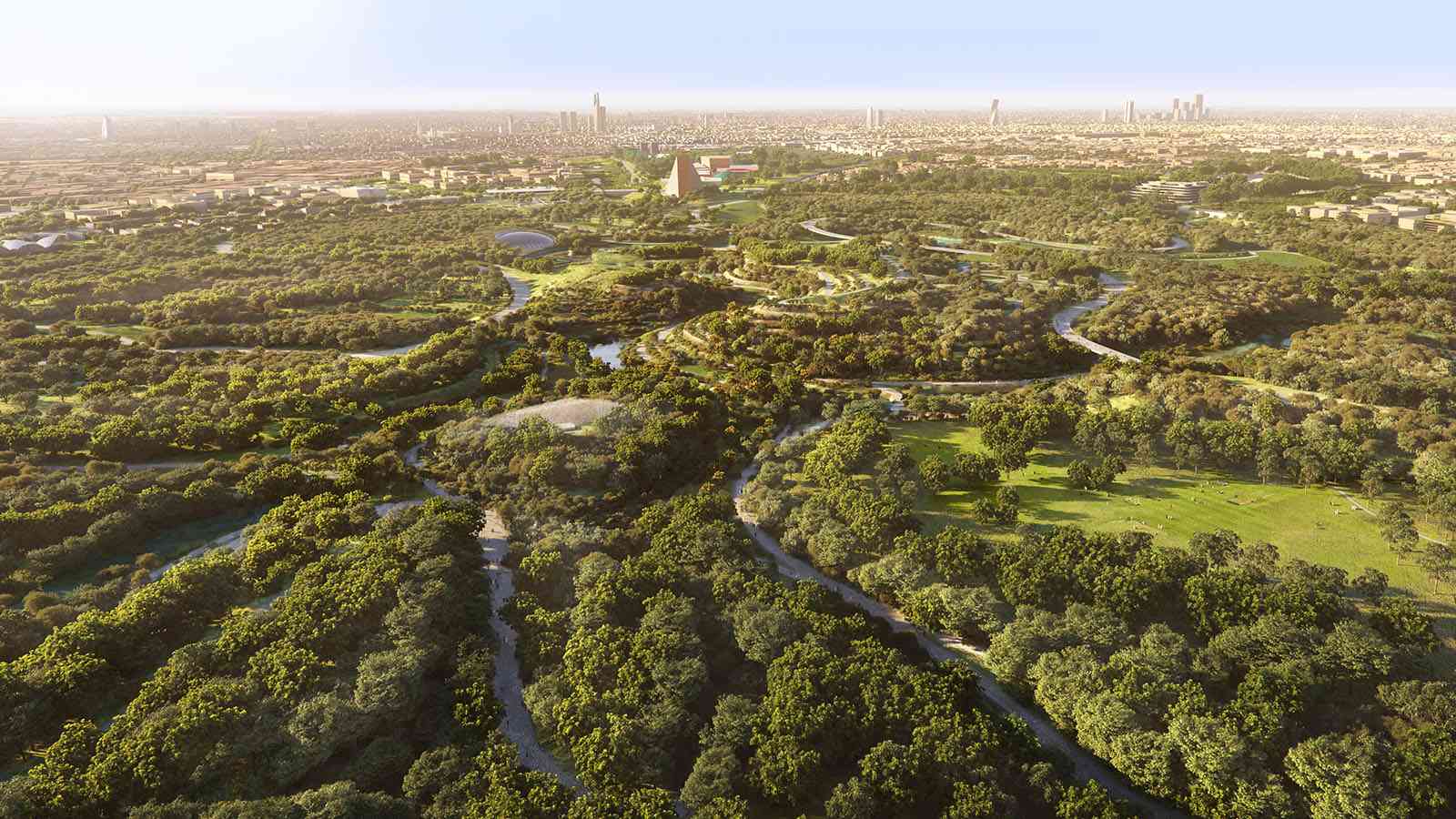
The mega-park has become a powerful symbol of transformation. Projects such as King Salman Park demonstrate what is technically possible when ambition and engineering align. They function as laboratories, proving that large-scale landscapes can be sustained even in extreme climates. They create microclimates and civic pride.
The lesson from these projects is not that they are misguided. On the contrary, they show what can be done. But they also reveal the scale of resources required to keep such landscapes alive. A massive park in the desert is less a garden than a managed ecosystem under constant supervision.
There is another layer to this discussion, one that is less technical and more psychological.
When we think of “green,” most of us carry a very specific mental image. We picture English gardens with deep lawns and ancient oaks. We imagine dense jungles or rice fields in Southeast Asia shimmering in water. We think of abundance, moisture and lushness. Our cultural imagination of green is shaped by climates very different from the Arabian Peninsula.
That image is powerful and a strong symbol of the quality of life cities in the region want to offer to their residents. But is also an increaslingly challenging undertaking.
As temperatures rise globally, not only in the Gulf but also across Southern Europe, parts of North America and many other regions, clinging to this image of green will become more and more costly. If we insist that green must always look like a watered lawn or a tropical canopy, we will further exploit a scarce resource: drinking water.
The future green, especially in hot climates, therefore will have to look different. It will be more selective, more adapted and more strategic. It may include drought-resistant species, gravel and shade structures working together, clusters of trees rather than carpets of grass. It may feel less lush in the traditional sense, but more appropriate — and ultimately more sustainable.
The real shift ahead is not only technical but cultural. We need to update our idea of what green means.
Now imagine two versions of the greened city in a hot climate:
In the first, greenery is concentrated in a handful of grand parks. They are lush and impressive. Families travel to them. They photograph beautifully. But beyond their perimeters, streets remain largely unshaded. Heat radiates from asphalt and concrete. Green is something you go to.
In the second version, greenery is distributed like a network. Linear parks follow main roads and transit corridors. Continuous rows of drought-adapted trees shade sidewalks. Smaller clusters of planting punctuate residential areas. School routes, neighborhood streets and local centers are cooled through careful landscaping. The city may not have a single overwhelming green spectacle, but shade becomes part of daily life.
The difference is profound. In the distributed model, cooling spreads across the urban fabric. More residents live within a short walk of shade. The city becomes incrementally, but meaningfully, more walkable. Green works quietly, as a system rather than as a monument.
Such an approach also treats water with the respect it deserves. Instead of feeding vast lawns in one location, irrigation can be carefully managed and dispersed. Native and desert-adapted species can dominate. Maintenance becomes manageable rather than monumental.
Saudi Arabia’s greening initiatives and programs like Project Joy have already shifted expectations. They have shown that transformation is possible and that there is strong public demand for greener cities. The next step may be more subtle but equally important: moving from green as spectacle to green as structure, and from imitation to adaptation.
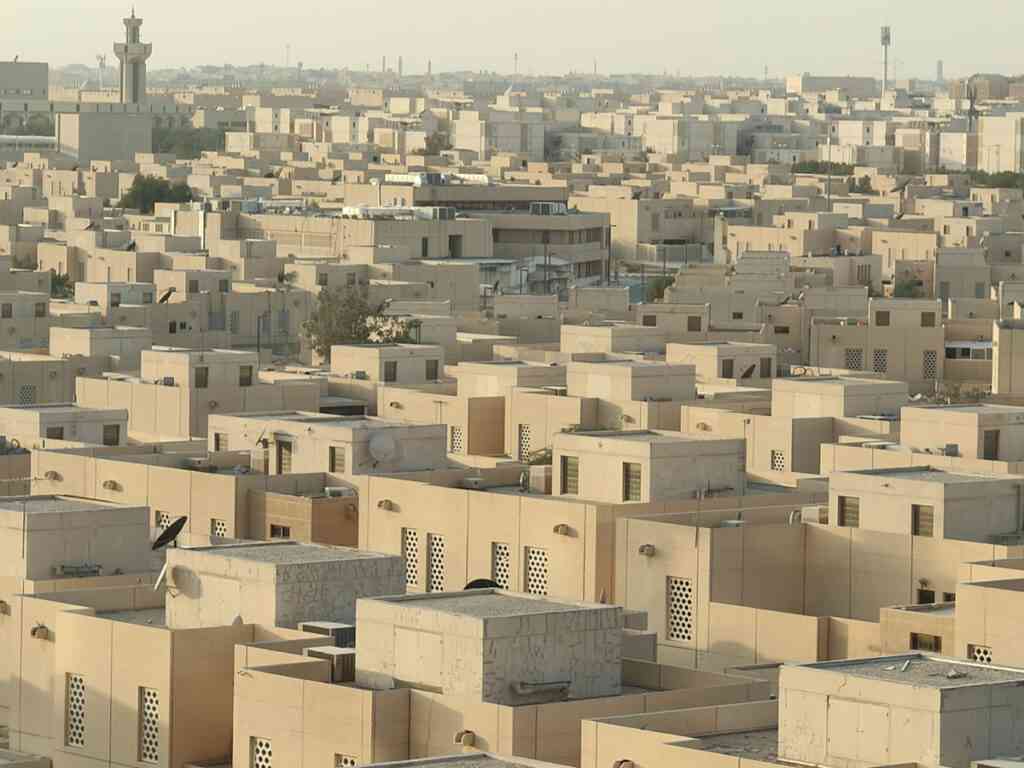
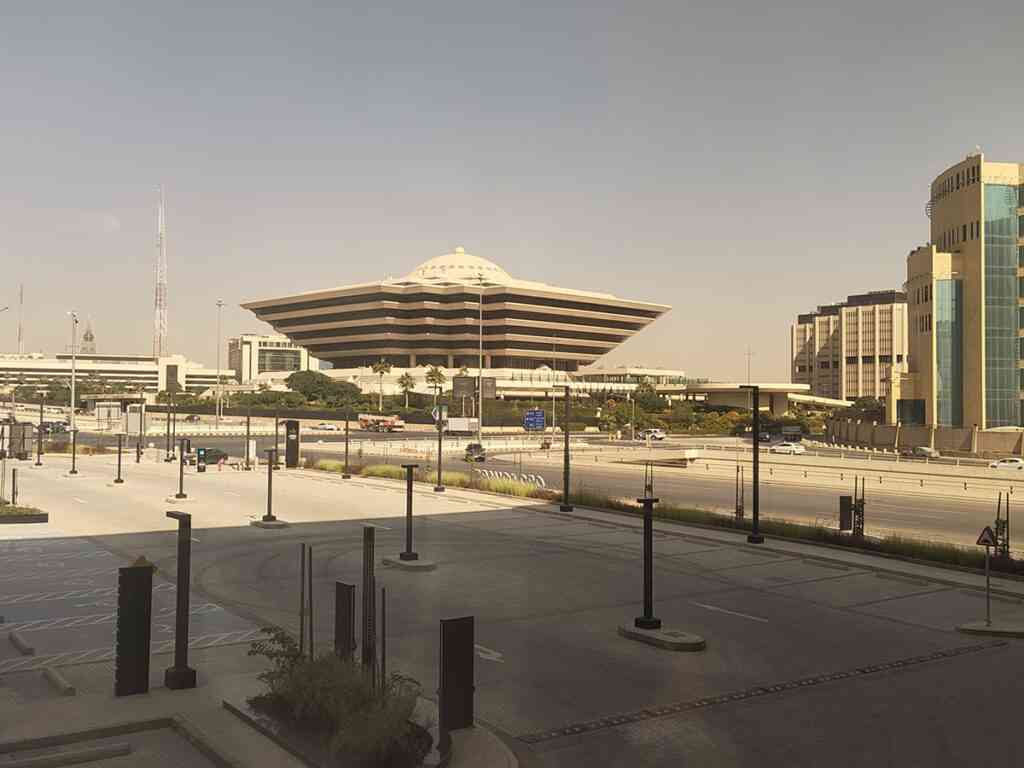
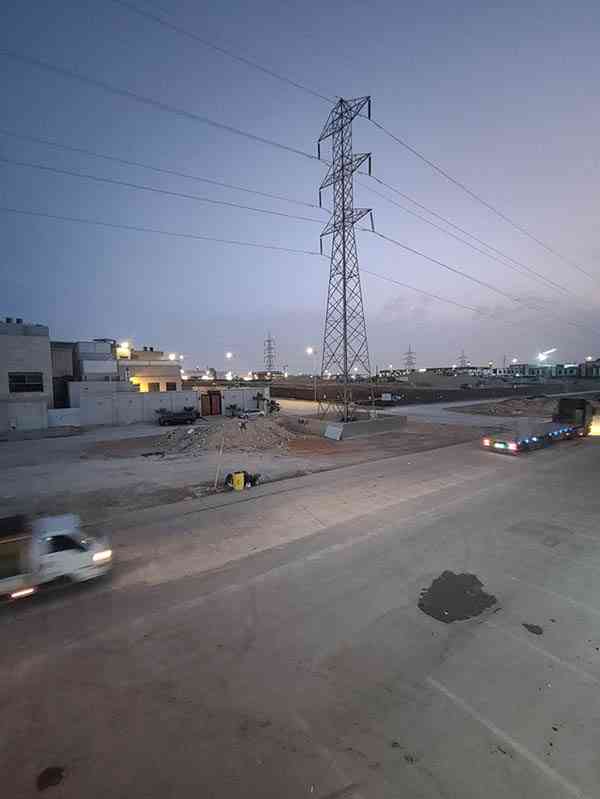

In the desert, every tree is a commitment. It requires water, energy and care. That reality does not diminish its value; it elevates it. Green here is precious.
In a warming world, planting a tree is no longer about image. It is about how we design cities to survive.
Cover image: King Salman Park, source: wikipedia.org