I arrived in Vilnius with no particular expectations. I left wondering why so few European cities manage to do what Vilnius does with such apparent ease: create a public realm that feels continuous, coherent and almost effortlessly connected. It wasn’t a landmark or a spectacular piece of architecture that stayed with me after my first visit. Instead, it was the feeling of walking through a city where every street, square, park, bridge and riverside seemed to belong to the same story.
That story is remarkable because it is written with very different chapters. Gothic churches punctuate the skyline. Baroque streets unfold into generous public squares. Soviet-era housing estates, modern interventions and fragments of industrial heritage all find their place within the same urban narrative. Rather than competing for attention, these very different artefacts of the urban fabric are woven together with a consistency I have rarely encountered elsewhere. The transitions feel natural, almost inevitable.
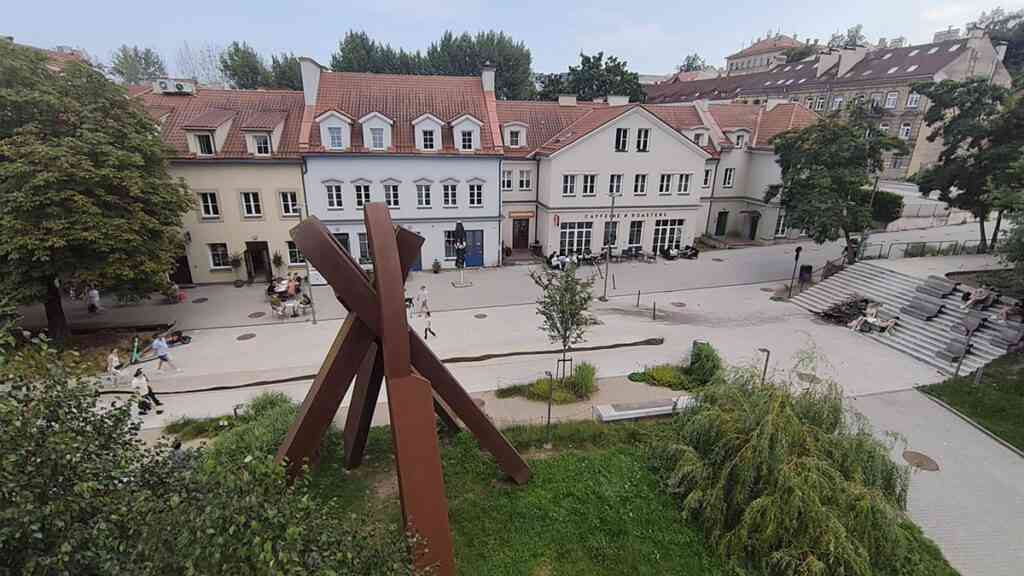
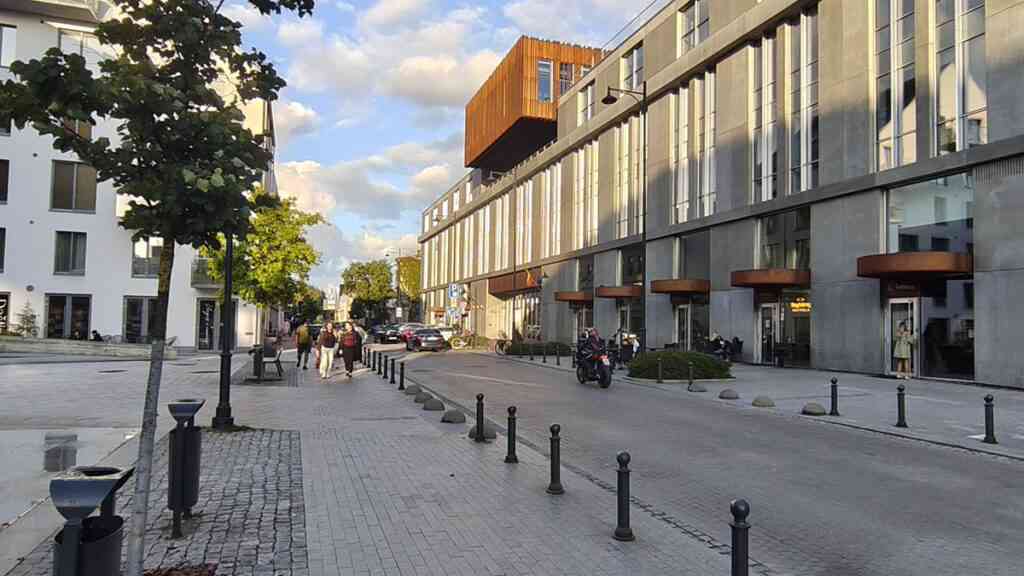
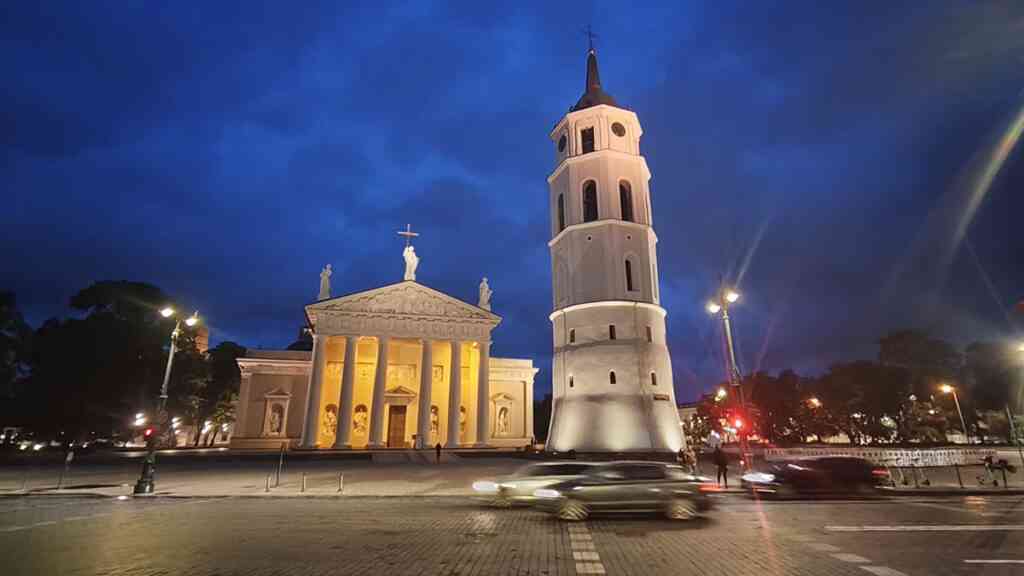
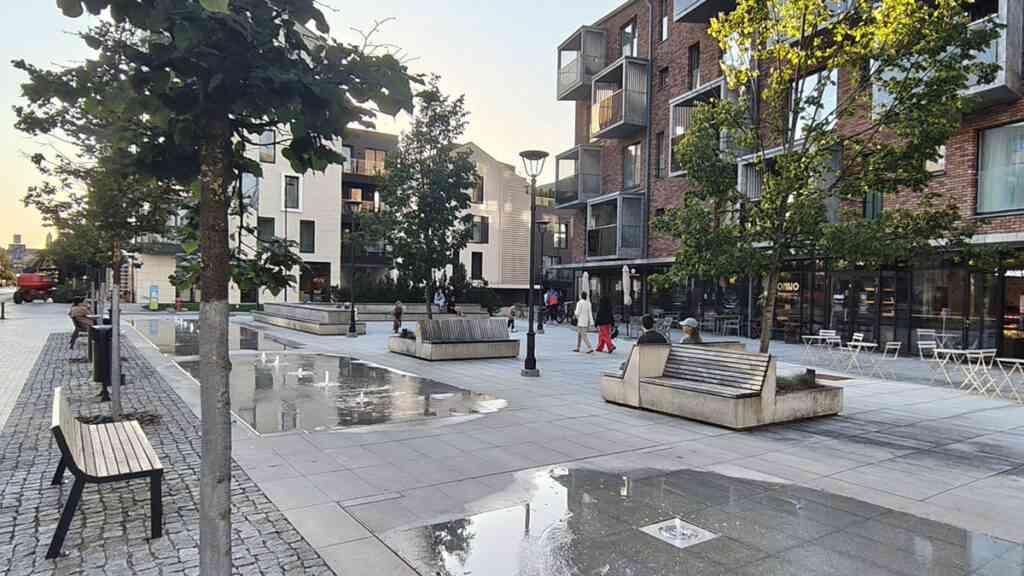
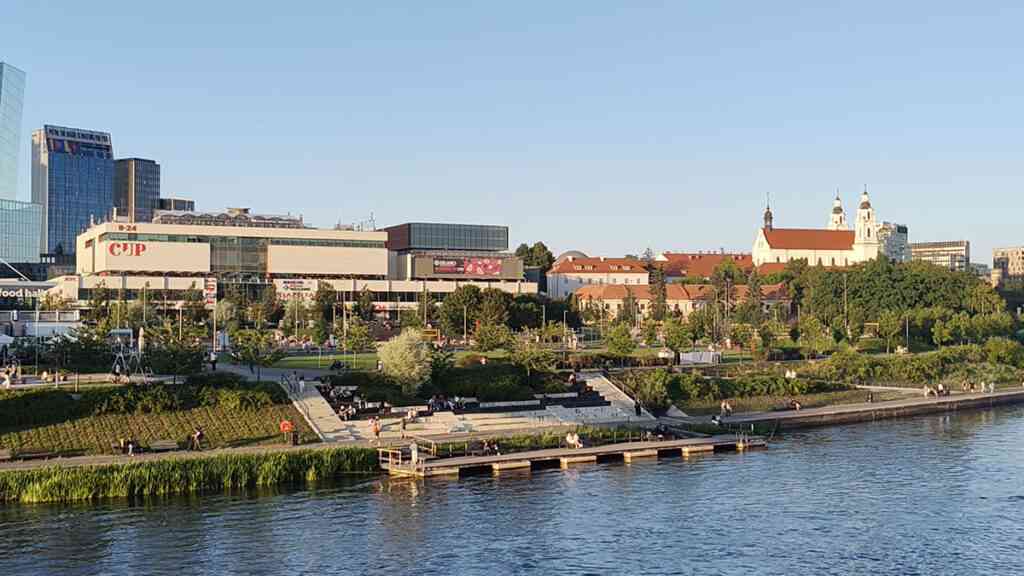
What makes Vilnius exceptional is not a single public space, but the network itself. Streets become squares almost imperceptibly. Squares merge into parks. Parks lead towards the Neris, whose riverbanks connect seamlessly to neighbourhoods on the opposite side. Courtyards invite you in before releasing you onto another pedestrian street. You are never confronted with a moment where the city simply stops working. It keeps unfolding, one carefully considered space after another.
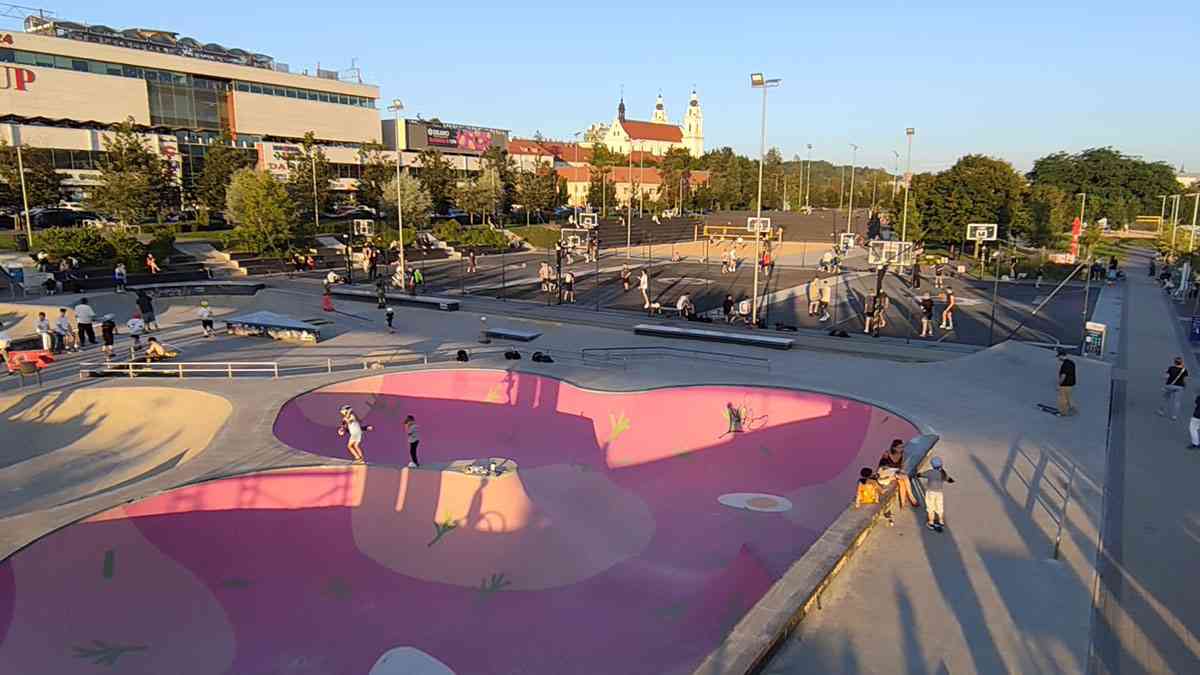
Perhaps the greatest surprise is that this quality is not confined to the historic centre. Many European cities lavish attention on their postcard districts while everyday neighbourhoods receive far less care. Vilnius applies the same logic almost everywhere. The language of public space changes from neighbourhood to neighbourhood, responding to different histories, functions and urban forms. Yet its quality, and above all its continuity, remain remarkably consistent throughout the city.
What struck me equally was the pragmatism. Nothing feels over-designed. There are no extravagant gestures or fashionable interventions demanding attention. Benches are where they should be. Trees provide shade where needed. Pavements are generous without becoming excessive. The public realm is understated, functional and exceptionally well maintained. It is a city that seems more interested in making everyday life pleasant than in winning design awards.
In an era in which many cities chase iconic projects and signature architecture, Vilnius offers a quiet reminder that urban quality is created in the spaces between buildings. Continuity matters more than spectacle. Consistency matters more than novelty. And perhaps the greatest achievement of all is that the city makes this look completely effortless.
Disclaimer: AI tools have been used to improve spelling, grammar and expressions.