Riyadh’s ambitious municipal reform offers a rare chance to move beyond mega-projects. The city’s future depends on whether new districts and Madinty offices become engines of urban quality, not just administrative shells.
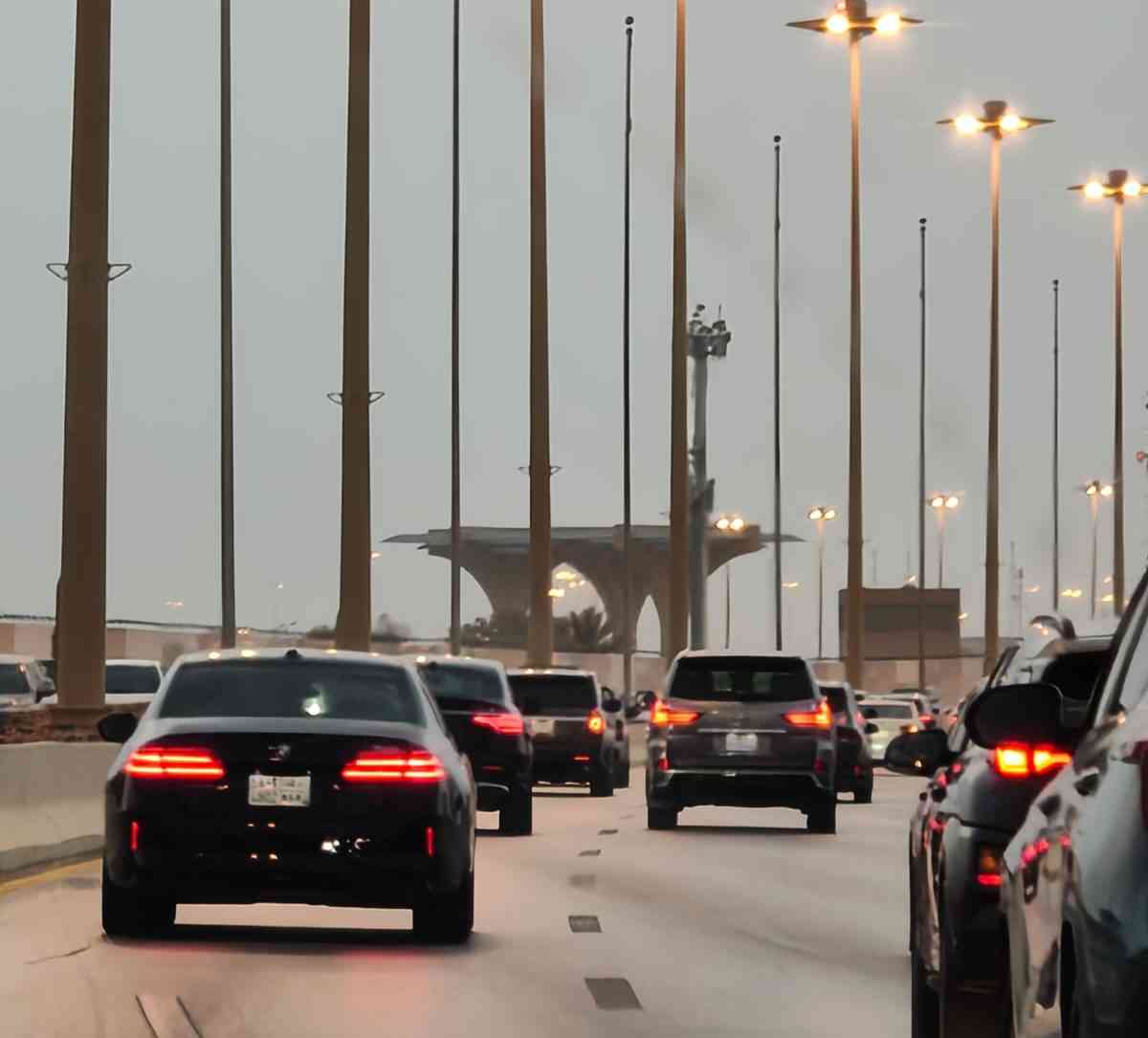
Riyadh is a city of speed and spectacle. Over recent decades, it has grown at a scale few global capitals can match. Highways and flyovers dominate the landscape, while mega-projects rise in quick succession, each larger and more dazzling than the last. Yet for all this investment, the city still feels disconnected. Walkability is minimal, neighbourhoods are cut off from one another, and the urban fabric is thin. Riyadh has become, in many ways, a city of projects rather than a city of places.
The newly announced Municipal Transformation Program promises to change that dynamic. Sixteen sub-municipalities will be consolidated into five larger districts. At the same time, new “Madinty” (“My City”) offices will be created as direct points of contact with residents. It is one of the most ambitious governance reforms in the city’s recent history. But the success of this shake-up will not be measured by the efficiency of administration alone. It will depend on whether Riyadh can build institutions capable of connecting its projects into a coherent and liveable urban fabric.
Executive Summary
Riyadh’s Municipal Transformation Program merges 16 sub-municipalities into five districts and introduces Madinty offices as citizen-facing institutions. The reform could move Riyadh from a city of disconnected projects to a coherent urban fabric—if institutions are empowered.
Decentralisation offers responsiveness and local identity but risks uneven quality and fragmentation. To succeed, five innovations are key:
- Design panels to raise project quality.
- Madinty innovation units for participatory planning.
- A metropolitan forum to align districts and central agencies.
- Performance-based budgets rewarding livability.
- A knowledge platform for shared learning.
Some functions must stay central—transport, environment, housing, and standards. Riyadh’s future hinges on institutions that weave projects into a connected, livable city.
Decentralization: Promise and Risk
The restructuring raises a fundamental question: will urban planning itself be decentralized? If districts are given real decision-making power, there are potential benefits. Proximity to residents could make planning more responsive. Districts might experiment more freely, creating small-scale solutions that improve daily life. And Madinty offices could give citizens a platform to voice concerns and shape priorities, building a stronger civic culture.
Yet decentralization is not without risks. It could lead to uneven quality, with some districts innovating while others lag behind. Local politics may favour short-term wins—new roads, quick approvals—over long-term sustainability. Wealthier districts might resist affordable housing or other socially necessary but unpopular measures. In short, decentralization can produce creativity and responsiveness, but only if paired with a strong metropolitan vision that holds the city together.
Five Institutional Moves That Matter
The reforms will only succeed if Riyadh’s new districts and Madinty offices evolve into more than administrative units. They need to become engines of design, dialogue, and learning. Five institutional moves are particularly promising.
- First, district-level design panels. By assembling interdisciplinary groups of planners, architects, and environmental experts, each district could raise the standard of design review. Cities like Copenhagen have used such panels for decades to ensure that every project—large or small—contributes to livability rather than undermining it.
- Second, Madinty offices as innovation units. Instead of functioning as service counters, these offices should host small teams tasked with gathering neighbourhood data, running participatory workshops, and piloting quick interventions. Medellín’s experience shows how neighbourhood planning units can test solutions on a small scale—like stairways or community centres—that eventually reshape the entire city.
- Third, a metropolitan coordination forum. To prevent fragmentation, Riyadh needs a space where districts, Madinty offices, and central agencies meet regularly to tackle shared challenges. Paris Métropole provides a model: imperfect, but effective in forcing municipal leaders to deliberate collectively on transport, housing, and climate.
- Fourth, performance-based budgets. Districts should be rewarded for improving walkability, shading, or community satisfaction—not just for pouring concrete. Singapore has long tied funding to performance, incentivizing long-term results over short-term delivery. Riyadh could adapt this logic to urban quality.
- Fifth, a knowledge exchange platform. A citywide digital system could allow districts to share their experiments and lessons. If one district pioneers a shaded school route or revitalized neighbourhood square, others should be able to replicate it quickly. Barcelona’s Decidim platform offers a glimpse of how digital tools can turn scattered experiments into collective progress.
Together, these measures would turn the new municipal structures into active institutions—places where urban quality is debated, tested, and refined.
What Must Remain Central
Still, not everything can or should be decentralized. Some areas require coherence and authority at the metropolitan scale.
- Transport infrastructure—metro lines, bus networks, and arterial roads—must be centrally planned. Fragmenting mobility across districts would guarantee disconnection.
- Environmental systems such as water supply, energy, and climate adaptation must remain under central oversight. The desert environment demands continuity and coordination across the entire urban region.
- Housing policy also requires strong central leadership. If left entirely to local districts, wealthier areas could resist affordable housing or community facilities, worsening inequality.
- Similarly, standards and codes—for accessibility, sustainability, and safety—should remain unified, ensuring that every resident enjoys the same basic level of urban quality.
- Finally, projects of national or global significance will inevitably be centrally directed. Cultural flagships, financial districts, or international event venues are too important to leave to local discretion, though they would still benefit from district-level design review.
Centralization here is not about stifling creativity, but about ensuring fairness, coherence, and long-term vision.
From Objects to Fabric
The hardest lesson for Riyadh is that building a city is not the same as building projects. The capital has mastered the art of the spectacular, but not yet the art of connection. Roads, towers, and parks, however impressive, remain isolated if they are not tied into an everyday fabric of streets, spaces, and institutions.
The Municipal Transformation Program offers a historic opportunity to shift that pattern. If districts and Madinty offices are empowered as real institutions—equipped with design panels, innovation units, coordination forums, performance budgets, and knowledge-sharing platforms—they can become the invisible scaffolding that holds the city together. If not, the reform will simply create more efficient channels for the same fragmented development Riyadh already knows too well. Riyadh does not need more projects. It needs institutions that weave projects into a city, and if done well, the reforms announced have the potential to help to achieve this.