
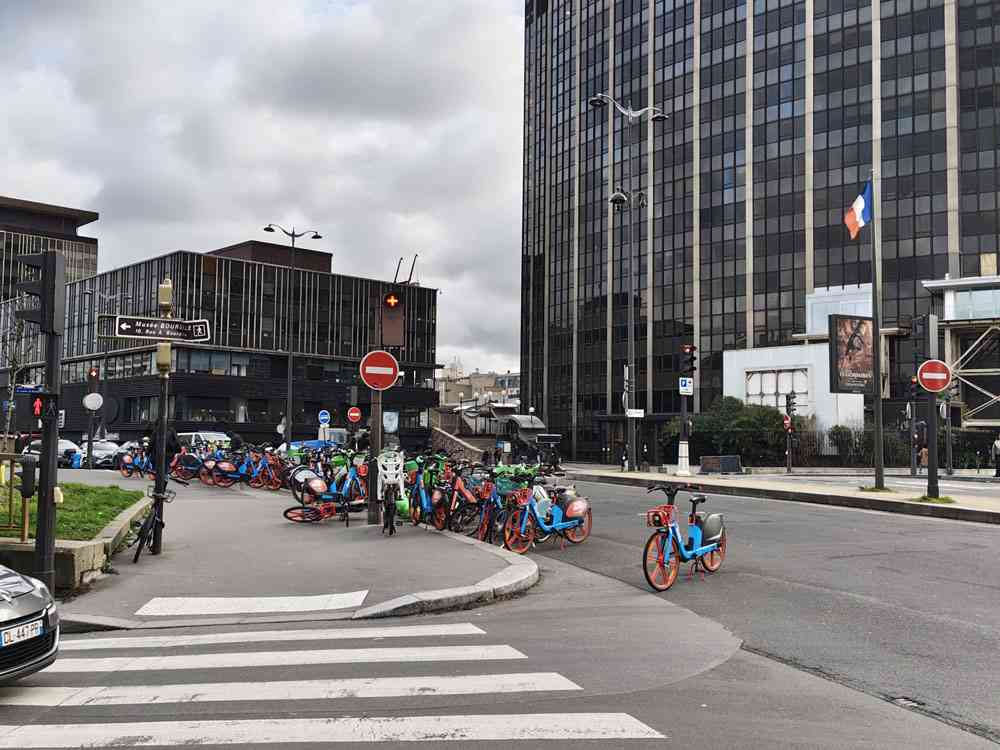
The current Mayor of Paris, Anne Hidalgo, has changed the city profoundly and in no time – at least measured by the standards of urban planning. That much is beyond dispute. Car traffic has been curbed, streets have been calmed, bike lanes have multiplied like well-behaved algae, and the Seine has regained a dignity that for decades seemed reserved for postcards and nostalgia.
And yet, this new version of Paris made me think.
I am sitting now in a calm cafe off Rue de Rivoli. While this was once a roaring ribbon of combustion engines, and I found myself unsettled. Not by noise – but by its absence.
Paris, of all places, has become… quiet.
Now, I am fully aware that this is not a respectable complaint. Urbanists (my tribe) have been preaching for decades about the evils of traffic noise. We cited decibel levels, cardiovascular stress, interrupted sleep cycles, cognitive development in children. We nodded gravely and designed traffic calming schemes. We drew sections with fewer lanes and more trees. We celebrated modal shift.
And now that it has happened – I am uneasy.
Because being in Paris without the steady undercurrent of engines feels slightly surreal. The city hum has faded. The mechanical basso continuo that once underscored café conversations is gone. What remains are sharper, more isolated sounds: the staccato of trolley suitcases on cobblestones (truly the vuvuzela of the European city), the defiant click of high heels – yes, they still wear them in Paris; it is Paris after all, though perhaps with marginally less martyrdom than before – and the hollow percussion of garbage being thrown into the still surprisingly few public bins.
These sounds do not blend into an urban symphony. They poke.
I am aware of the historical irony. When cars replaced horses, people complained that the sound of horseshoes on cobblestones had disappeared. The familiar clip-clop – the soundtrack of the 19th century – was drowned out by engines and horns. Progress has always rewritten the acoustic identity of cities. And here I am, apparently nostalgic for internal combustion.
It is not that I love traffic jams. It is that the absence of traffic has altered the emotional register of the city. Paris feels, at moments, like a beautifully curated sanatorium. Airier. Gentler. Healthier. But also faintly suspended.
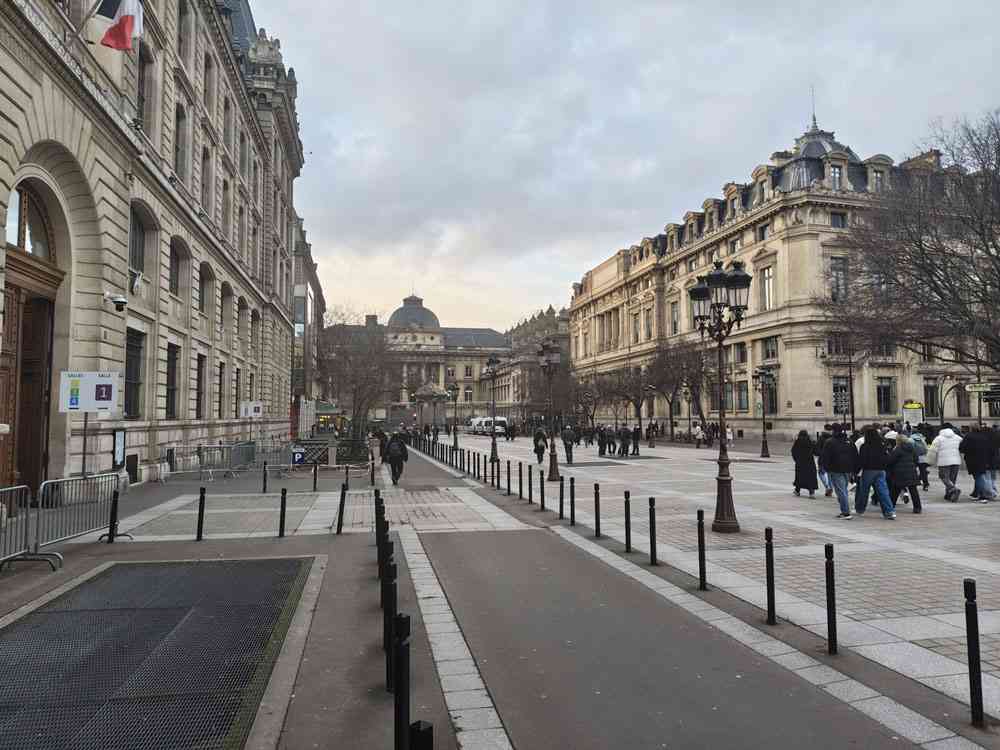
A metropolis, in my perhaps outdated imagination, is supposed to buzz. It is supposed to overwhelm slightly. It is supposed to remind you that you are one among millions negotiating space and time at speed. Tokyo, interestingly, suffers from a similar paradox. It is extraordinarily orderly and, in many districts, surprisingly quiet. Only the rail tracks – often heroically above ground – restore a certain metallic drama. Without them, Tokyo might drift into near-monastic serenity.
Amsterdam escapes this fate, but only just. Its streets are so narrow in the center that pedestrian chatter and bike bells ricochet off façades and fill the air sufficiently. Manhattan, of course, has refused any such retreat. It remains unapologetically loud – a continuous declaration of existence. You do not visit Manhattan for acoustic subtlety.
But here is the uncomfortable question: was the noise ever the essence of urbanity, or merely a side effect of fossil-fueled mobility? We conflated volume with vitality. We mistook friction for intensity. We assumed that modern life required a decibel threshold.
Noise is unhealthy. It is annoying. It robs you of sleep and, over time, of something more structural – calm, perhaps even years. Entire public health departments have dedicated themselves to proving what our ears already knew. So why does silence feel vaguely disconcerting?
Perhaps because we are in a transitional moment. The industrial city was loud because it burned things. The 20th century metropolis roared because it accelerated. The 21st century city, if electrified and decarbonized, may hum rather than thunder. The acoustic drama of pistons and exhaust pipes will not be replaced by the whisper of e-mobility. And once the dominant background noise disappears, we begin to hear everything else – the granular, human-scale sounds that were previously masked.
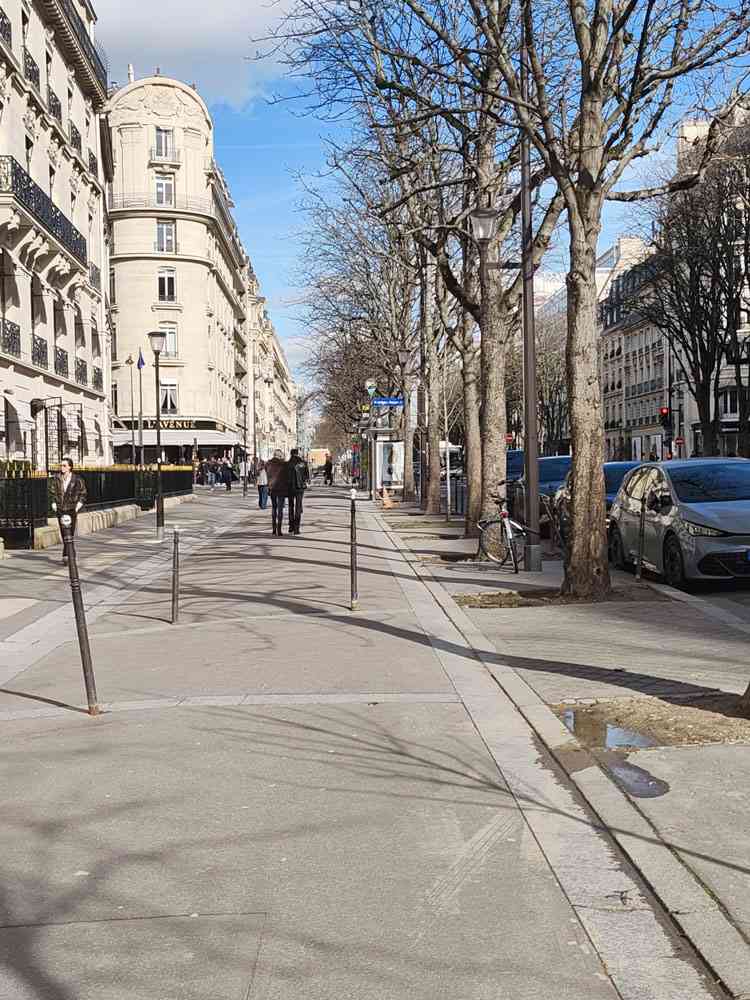
And those sounds are less forgiving.
A single rolling suitcase becomes an event. A shouted phone call becomes an intrusion. In the quiet city, we become acoustically visible to one another. Perhaps this is the deeper discomfort. Noise once anonymized us. Silence individualizes us.
So what will be next?
Will we curate urban soundscapes as carefully as we once managed traffic flows? Will cities install subtle ambient acoustics – fountains, tram bells, soft mechanical murmurs – to restore a sense of collective presence? Will we design for “healthy buzz” the way we once designed for “efficient throughput”?
Or will we simply adjust, as every generation has done, and one day complain nostalgically about the lost charm of trolley suitcases on cobblestones?
I suspect the latter.
Still, as I walk through a newly pacified boulevard in Paris and hear my own footsteps too clearly, I cannot help feeling that something more than traffic has been reduced. Perhaps we are not only decarbonizing cities. Perhaps we are detoxifying them. And detox, as any patient knows, can feel strangely empty before it feels good.
In the meantime, I reserve the right to miss the roar – quietly.


