Urban planning is often described as a technical discipline, a creative endeavour, and a guardian of long-term societal interests. Yet decisions about cities ultimately rest in the hands of politicians—people who operate under fundamentally different incentives, time horizons, and pressures. The result is a persistent tension: planners propose well-reasoned solutions, yet political decision makers are not always persuaded.
Understanding this gap requires seeing planning not from the planner’s view, but through the political lens—a lens shaped by public mood, elections, conflicts of interest, and the constant need to demonstrate quick, visible success.
1. Planning Speaks the Language of the Long Term — Politics Speaks the Language of the Next Election
Planners think in decades. Politicians think in election cycles.
A mobility system redesign that pays off in 15 years or a zoning reform that reshapes development over generations may be technically sound, but politically unattractive. Voters are impatient, media cycles are short, and political capital is finite. Even the most visionary idea can die because its benefits arrive too late.
2. Planners Argue With Evidence — Politicians Decide With Narratives
Planners assume that good data, rigorous analysis, and professional logic are enough. Politics, however, runs on emotions and stories.
A plan that makes perfect sense to experts may fail because it lacks:
- a clear political story,
- a relatable message,
- or a symbolic win that resonates with the public.
Politicians need narratives that survive press conferences, opposition attacks, and public meetings. Few planning documents are built for that purpose.
3. Planning Works Through Consensus — Politics Works Through Conflict
Planning culture values balance, integration, and compromise. Political culture values position-taking, differentiation, and sometimes confrontation.
A plan that “balances many interests” may look weak in a political environment that rewards strong stances. Politicians must show leadership, take sides, and win arguments—things planners often underestimate or treat as “irrational.”
4. Planners Prioritize the Public Good — Politicians Manage Multiple Publics
Planners talk about the public interest. Politicians deal with many publics:
- homeowners
- tenants
- commuters
- business owners
- senior citizens
- youth
- activists
- interest groups
Each public has different fears, interests, and priorities. A plan that supports long-term sustainability may still anger organized minorities, who can punish politicians at the ballot box.
5. Technical Complexity Can Become a Barrier, Not an Asset
Urban planning is rich in analysis, from spatial modelling to legal frameworks. But political decision-making is overloaded and time-poor.
When planners overwhelm politicians with complexity, politicians fall back on:
- intuition,
- party lines,
- interest group pressure,
- or the path of least resistance.
Too many planning documents communicate like they’re written for other planners—not for decision makers.
6. Planners Enter Too Late — After Key Directions Are Already Set
Major decisions—budgets, partnerships, campaign promises, land deals—often precede planning processes. By the time planners are invited in, the strategic framework is locked.
Planners then act as technical problem-solvers, not strategic shapers. And in that role, their ability to “convince” is structurally limited.
7. Planners Underestimate Political Risk — Politicians Cannot
What planners see as manageable technical risk, politicians experience as existential political risk.
A temporary traffic disruption, a vocal protest group, or a critical newspaper headline can derail a career. Planners often fail to account for:
- media backlash,
- stakeholder pressure,
- legal threats,
- party politics,
- internal opposition.
Ignoring these risks does not make them disappear—they simply reappear later as political resistance.
A little helper to improve the situation:
Politics for Dummy Planners — What Planners Must Learn to Do Better
Here is the blunt, practical guide for planners who want their ideas to survive the political arena.
Speak Human, Not Planner – If a politician cannot repeat your idea in one or two sentences, simplify it. No jargon. No acronyms. No technical digressions.
Deliver at Least One Quick Win – A long-term plan must include something that works in the short term. Paint the bike lane. Test the plaza. Plant the trees. Give politicians something visible to show.
Offer Options, Not One Perfect Answer – Provide three versions: cautious – balanced – bold. Politicians need room to negotiate, compromise, and “own” the plan.
Put the Losers on the Table Early – Every plan produces people who feel they lose. Identify them early. Propose mitigation. Never let politicians be surprised by angry groups.
Arm Politicians With Simple, Powerful Tools – Give them talking points, clear visuals, stories from other cities and FAQs and counter-arguments. If they cannot defend the plan in an interview, it will not move forward.
Planning for Dummy Politicians — What Politicians Must Learn to Do Better
This is the equally direct guide for politicians who want planning outcomes that are both technically sound and politically viable.
Give Clear Direction From Day One – Planners cannot design for a moving target. Be explicit about priorities, constraints, and expectations.
Shield Planners From Political Noise – Don’t let public meetings become ambushes. Don’t let special interests dominate the process. Protect the integrity of technical work.
Decide—and Don’t Reopen Every Decision – Reversals destroy trust and momentum. Once you choose a direction, stick with it.
Demand Evidence, Not Just Opinions – Ask for alternatives, costs, impacts, timelines—not slogans. This strengthens both planning quality and political defensibility.
Own the Narrative – A plan without political storytelling has no chance. Explain why change is needed, who benefits, and how the city improves. If politicians don’t lead the narrative, opponents will.
When Both Sides Learn Each Other’s Basics, Cities Finally Move Forward
Planners and politicians operate in different worlds. But effective urban development requires both worlds to cooperate.
Planners who understand politics + politicians who understand planning = better cities.
Neither side must become the other. But both must learn enough to communicate, coordinate, and build trust. When they do, smart ideas stop dying in committee rooms and start shaping the future of cities.
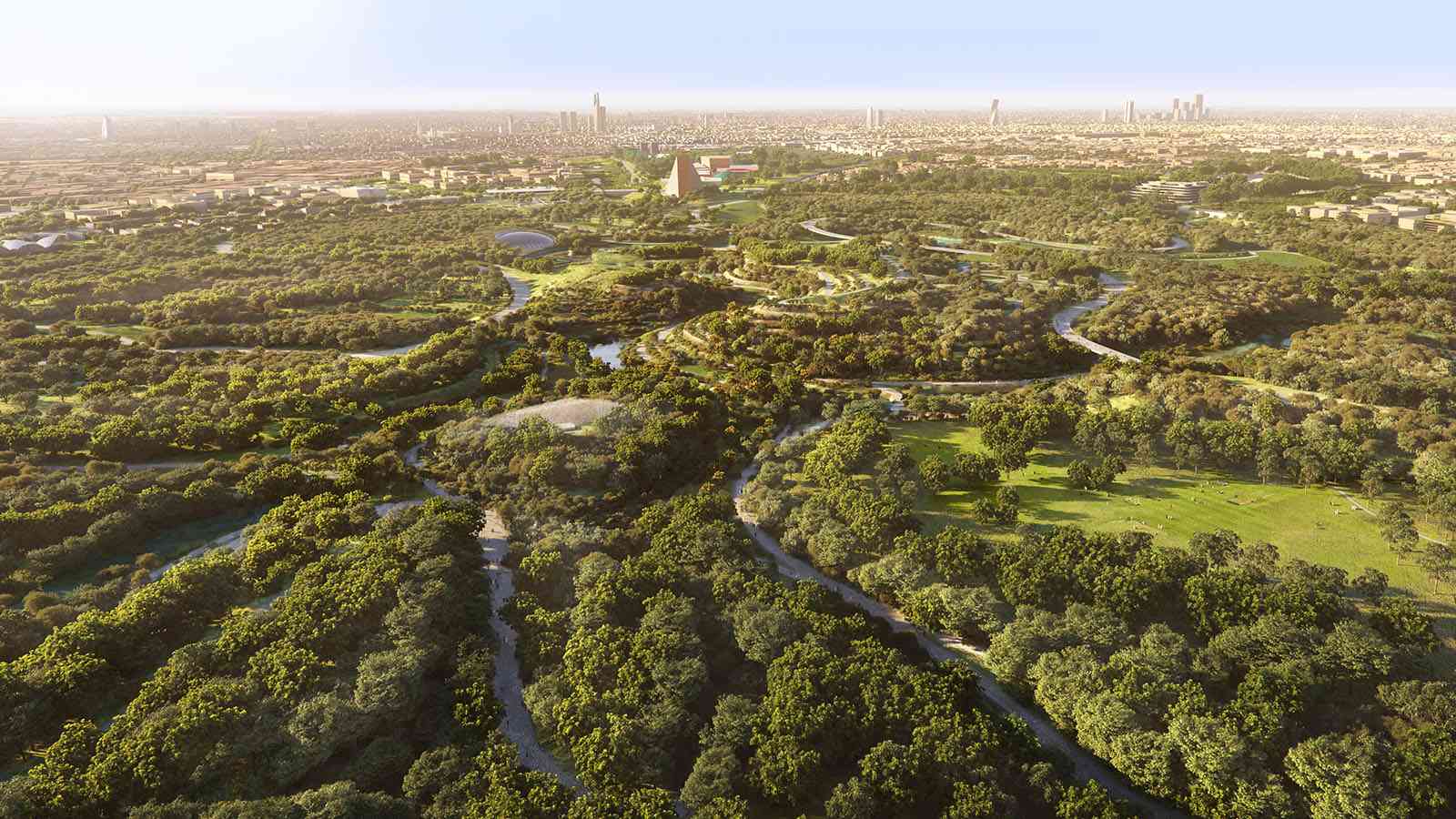
cover image created with the help of AI tools